Using Your Pastor’s Picture on Social Media: What Christians Should Know
By: Effykon Umo | On 16-09-2024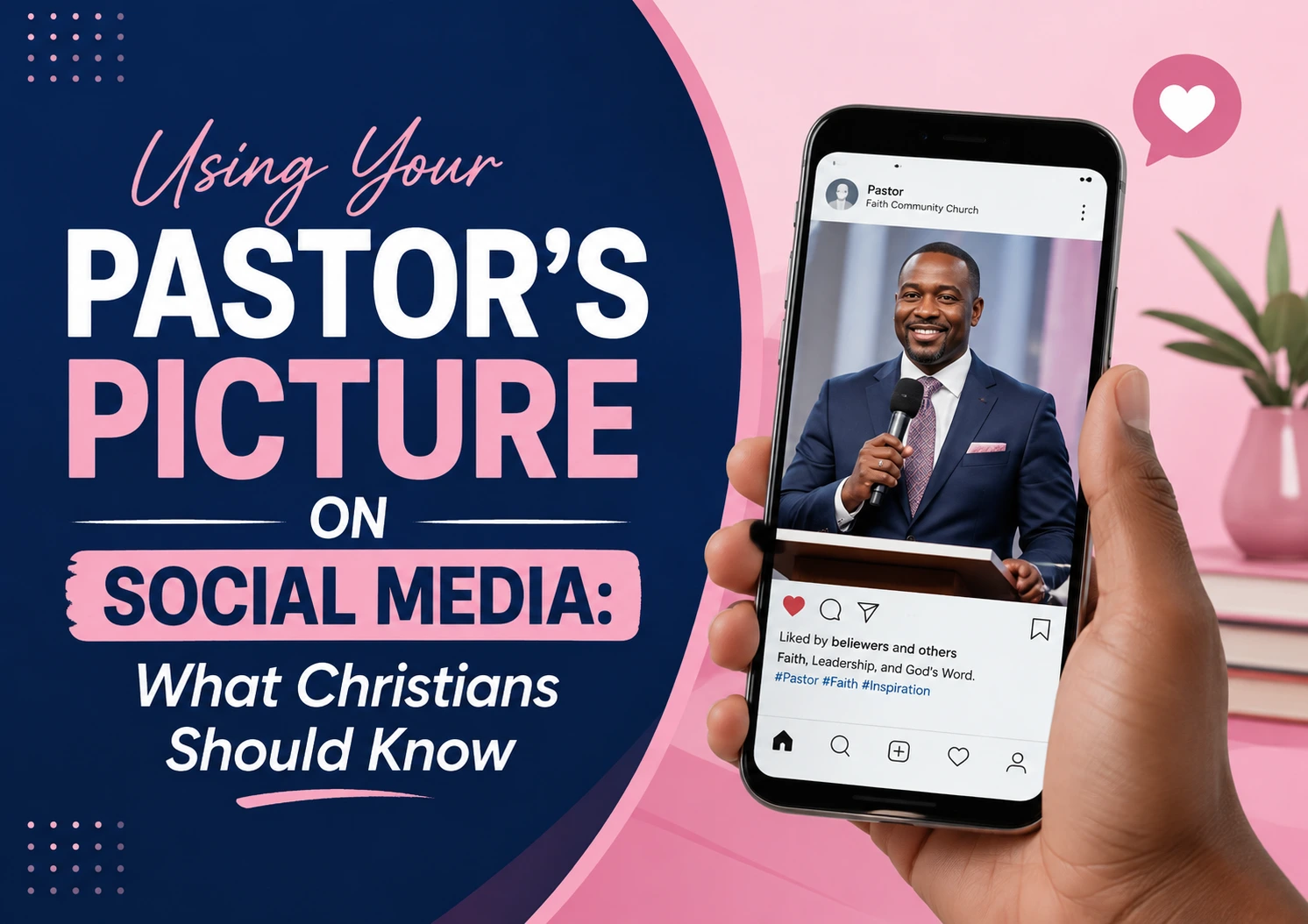
A pastor is someone who has been called by
God to serve as a minister of the Word and sacraments and is ordained by the
church. A minister is, likewise, a shepherd who fulfils his obligation in the
interest of Christ, who is the head of the congregation and the incomparable
Shepherd. In the present-day houses of worship and in certain denominations,
most ministers are not formally ordained but participate in a pastoral role
within a congregation or Christian home gathering.
Worshippers and members of many
denominations believe that using their pastors' pictures is a way of
celebrating their grace, honouring them, and showing loyalty. It is also
considered a way of respecting ministers, appreciating their beauty and
appearance, and admiring them as leaders of the Christian gathering, mentors to
those in the faith, and role models for young ministers.
The Bible encourages believers to honour
those who labour among them. First Thessalonians 5:12-13 says, “Know them which
labour among you, and are over you in the Lord, and admonish you; and esteem
them very highly in love for their work's sake.”
Thinking about pastors as Christians is
commendable, but putting their picture on your social media profile, phone
wallpaper, screensaver, or other personal platforms requires careful
consideration. Honouring your pastor is good, but honour must never become an
opportunity for confusion, deception, or misrepresentation. This is what we are
going to discuss in this article.
Impersonation
Impersonation alludes to an act of
pretending or claiming to be somebody else. There are situations where
individuals have been reported to use pastors' names, pictures, and other
identities to lie, cheat, and participate in criminal activities such as fraud.
Others use the same identity to solicit public funds for well-known church
projects.
Social media has become a platform where
individuals utilise pastors' photos on their profiles to participate in
business deals, causing people to become victims of deceit. Some, using the
same identity, post their thoughts, criticisms, and recommendations on trending
issues both within and outside Christendom, making their followers and the
public believe that such statements came from the pastor.
This is one of the major reasons why using
another person's picture, especially that of a well-known pastor, should not be
treated as something insignificant. A picture can communicate identity,
authority, approval, and ownership even when the person in the picture does not
know what is being done with it. The Bible teaches us to be truthful in our
dealings with one another. Proverbs 12:22 says, “Lying lips are an abomination
to the Lord: but they that deal truly are his delight.”
If people see a pastor's picture on a
social media account, they may naturally assume that the account belongs to
that pastor unless it is clearly stated otherwise. Therefore, even when your
intention is innocent, your action can unintentionally create an impression
that is not true.
Online Dating
There are numerous online dating platforms
that anybody can join by signing in with their mobile devices, regardless of
the profile picture, name, and identity they use. There are people who, based
on wrong teaching or tradition, believe that having an intimate relationship
with a pastor is beneficial to them both spiritually and materially. As a
result, they pretend to be their pastor and date online. While this act may
appear valuable to the initiators and their admirers, others use it against the
pastors, the congregation, and the Body of Christ.
Imagine someone meeting a person online
who is using the picture and name of a respected pastor. The person may believe
that he or she is communicating directly with the pastor and may eventually
reveal private information, send money, develop emotional attachment, or enter
into a relationship based entirely on a false identity.
Read: Having Faith In God: The Power Of Trusting Him Through Life’s Challenges
This is not only deception; it can also
damage the reputation of the minister whose image has been misused. The Bible
warns believers to walk in truth and integrity. Ephesians 4:25 says, “Wherefore
putting away lying, speak every man truth with his neighbour.”
Christian freedom should never be used as
an excuse to deceive another person. What we do online is still part of our
Christian conduct, because our faith does not end when we pick up our phones.
Romantic Relationship
Having emotional feelings for people is
normal as far as human beings are concerned. It has been observed that people
chat with individuals of the opposite gender, confessing their romantic
feelings to one another while using their pastor's picture on their profile.
Sometimes, the target person happens to be
a member of the impersonated pastor's flock, believing that he or she is really
communicating with their pastor. Those who do not have the boldness to confront
their pastors for verification can become victims, while others, in an attempt
to avoid such an experience, may leave the church and never return.
The emotional consequences of such
deception can be very serious. A person may feel betrayed not only by the
individual behind the account but also by the pastor, the church, and
Christianity itself.
This is why believers must learn to
separate admiration for a spiritual leader from personal identification with
that leader. Your pastor can be a role model without becoming your identity. First
Corinthians 14:40 says, “Let all things be done decently and in order.”
There is nothing wrong with appreciating
your pastor, supporting their ministry, or sharing their messages. However,
there should always be a clear distinction between celebrating someone and
pretending to be that person.
Read: The Real Meaning of Christmas: Celebrating the Birth of Jesus Christ
Imperfection
No man is perfect; only God is! Using or
even idolising the picture of your pastor is not a demonstration of unwavering
faith or a reflection of God's Word. While your pastor might be perfect to you,
others may only have a glimpse of his or her unbearable character, which may
have caused them to distance themselves from the pastor, their members, or
anyone who carries their identity as a result of the harm they have experienced
or the bad experiences they have had.
Consider this: not all your relatives,
companions, associates, and neighbours are supporters of your pastor or
minister. You are also not a follower of every other pastor except your own
pastor, perhaps with a few others, but certainly not all. If the people around
you are Christians, the majority of them may be loyal to their spiritual
leaders regardless of their denomination. The other side of your pastor, which
you have not seen, could become a reason why someone else may not want to
associate with anything that represents him or her.
This does not mean that your pastor is
necessarily a bad person. It simply reminds us that every human being has
limitations, weaknesses, and areas that require God's grace. While believing,
trusting, and praying to God for anything, remember that God blesses people
through people, including unbelievers. Your destiny helpers might not be
members of your church.
God remains the source of your blessing,
even when He chooses to use a human being as the channel. Therefore, your
confidence should be in God and not in the personality, photograph, or
reputation of a minister. Jeremiah 17:7 says, “Blessed is the man that trusteth
in the Lord and whose hope the Lord is.”
A pastor is a servant of God, not God
Himself. We can honour our pastors without replacing God with them in our
hearts.
Use Your Picture
Assuming all you ever intended to do with
your pastor's picture was to celebrate his or her grace, tell people about God
through their anointing, or promote their ministry, you can also become that
figure. Every human being was made in the image of God. Furthermore, every man
or woman has a personality, whether developed or underdeveloped.
Using your own picture on your profile
guarantees genuineness, legitimacy, and self-conviction. It stimulates your
confidence and helps you understand your worth. Rather than impersonating your
church leaders and taking advantage of their influence, you can build your own
impact, develop your personality, improve your appearance, and remain genuine.
Read: Finding A New Church Can Help Your Faith
Genesis 1:27 says, “So God created man in
his own image, in the image of God created he him; male and female created he
them.” You do not need to borrow another person's identity before you can
become relevant. You were created by God with your own identity, personality,
gifts, talents, and purpose.
Your pastor's picture may attract
attention, but your own genuine identity can build trust. Let people know you
for who you are, not for the person whose picture you have borrowed. If you are
using your pastor's picture for good—for advancing their ministry, promoting
their anointing, celebrating their grace, displaying loyalty, or showing
faithfulness—others may not use it for the same reason.
The most ideal way to be faithful to your
church leaders is to serve them, support them materially and physically, pray
for them, be a good follower of God, participate in their church projects, and
help them preach the love of Christ. Jesus did not call us to become copies of
other people; He called us to follow Him. First Corinthians 11:1 says, “Be ye
followers of me, even as I also am of Christ.”
In other words, if your pastor is
following Christ, follow the Christ your pastor is following rather than trying
to become your pastor. When you do these things, not only will your minister be
grateful, but the God whom your pastor serves will also be pleased with you and
reward you. Matthew 10:41 says, “He that receiveth a prophet in the name of a
prophet shall receive a prophet's reward.”
There are many ways to honour a pastor
without using his or her picture as your personal identity. Pray for your
pastor. Encourage your pastor. Support the work of the ministry. Attend church
faithfully. Share the Gospel. Give when there is a genuine need. Serve when
there is an opportunity. Defend the truth without defending wrongdoing.
Most importantly, let your life become a
testimony of the grace you admire in your pastor. If you admire their
commitment to God, become committed to God. If you admire their prayer life,
develop your own prayer life. If you admire their passion for souls, become
passionate about winning souls. Your pastor's photograph can represent a
person, but your life can represent Christ.
There is a difference between honouring a
minister and assuming the identity of a minister. There is also a difference
between celebrating someone's influence and becoming dependent on their
personality. Let us honour our pastors, respect our ministers, celebrate the
grace of God upon their lives, and support the work they are doing. But let us
also remember that our ultimate identity is not found in a pastor,
denomination, church building, or spiritual leader. Our identity is found in
Christ. Galatians 2:20 reminds us that the believer's life is now centred on
Christ: “I am crucified with Christ: nevertheless, I live; yet not I, but
Christ liveth in me.”
Remember, if you love your pastor, honour
them genuinely. If you appreciate their ministry, support it genuinely. If you
admire their grace, learn from it genuinely. But when it comes to your personal
identity, use your own picture and allow people to see the person God created
you to be. You can celebrate your pastor without impersonating your pastor. You
can honour your pastor without becoming your pastor. And you can support your
pastor while still allowing Christ to be the centre of your life.









Leave your comments here